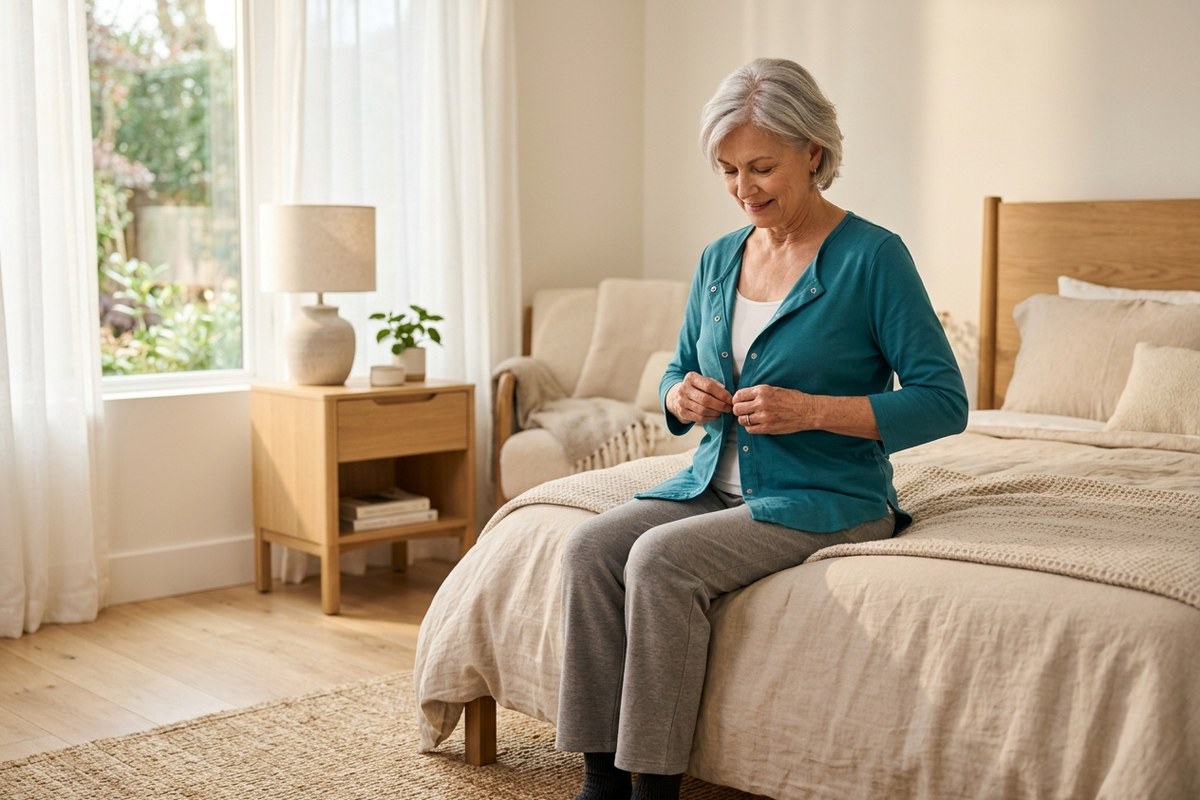
Getting dressed is one of the most personal routines of the day. For many adults and seniors living with arthritis, post-surgery limitations, or reduced mobility, that simple routine can become exhausting, painful, or dependent on a caregiver. Adaptive clothing is designed to change that experience—without sacrificing style, comfort, or dignity.
At Inn Adaptive Apparel, we believe independence should not end when mobility changes. Thoughtfully designed garments can restore confidence, protect skin and joints, and make mornings smoother for wearers and caregivers alike. When clothing works with the body instead of against it, everyday life feels more manageable—and more self-directed.
What Adaptive Clothing Is
Adaptive clothing looks like everyday apparel, but it is engineered with functional details that make dressing easier. Instead of relying only on small buttons, tight necklines, or stiff zippers, adaptive pieces use features such as:
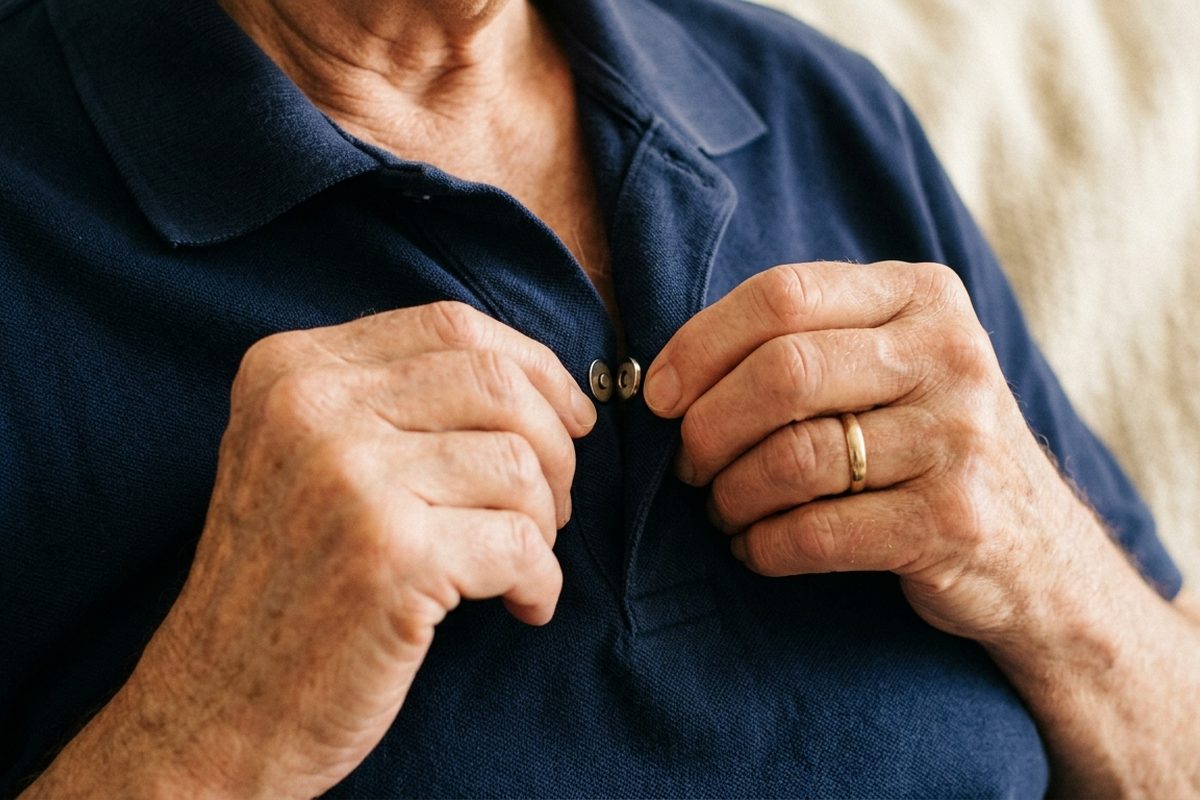
- Magnetic or snap closures instead of tiny buttons
- Side zippers and open-back designs for seated dressing
- Stretch fabrics that move with the body
- Wider openings, elastic waists, and relaxed fits
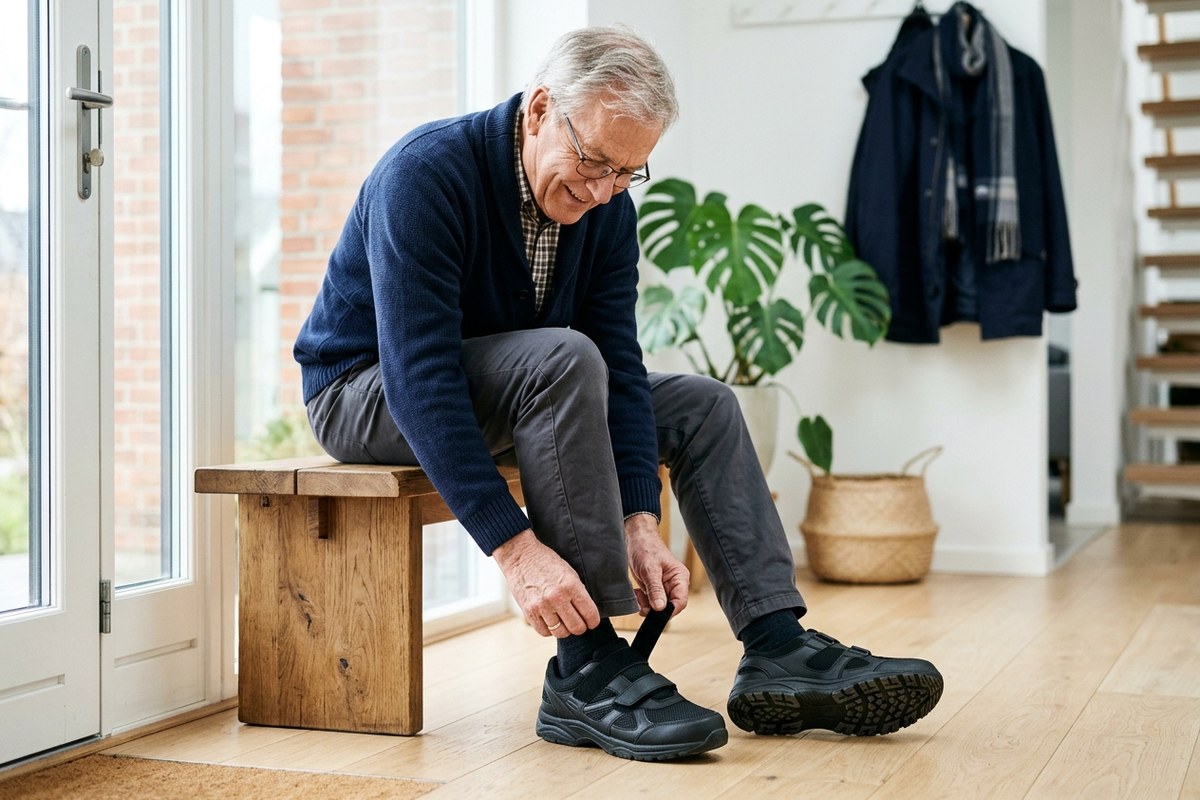
- Velcro or large-tab closures that require less fine motor control
The goal is not to create “medical uniforms.” The goal is familiar clothing that supports real bodies and real routines—whether someone is recovering from surgery, living with a long-term condition, or simply wants an easier way to dress. Good adaptive design is discreet. Friends and neighbors should notice a polished outfit, not a clinical workaround.
Key Benefits of Adaptive Apparel
Less pain during dressing
Raising arms overhead, bending to fasten pants, or pinching small buttons can aggravate joint pain. Adaptive designs reduce the range of motion required, so dressing becomes gentler on shoulders, wrists, hips, and knees. Over weeks and months, that reduction in strain can mean fewer flare-ups and more willingness to get ready without postponing the day.
Faster, calmer mornings
When clothing is easier to put on, routines take less time and create less frustration. That benefits independent adults and caregivers who support dressing multiple times a day. Calmer mornings also set a better tone for appointments, meals, and social plans—small schedule wins that compound into a better quality of life.
Better comfort all day
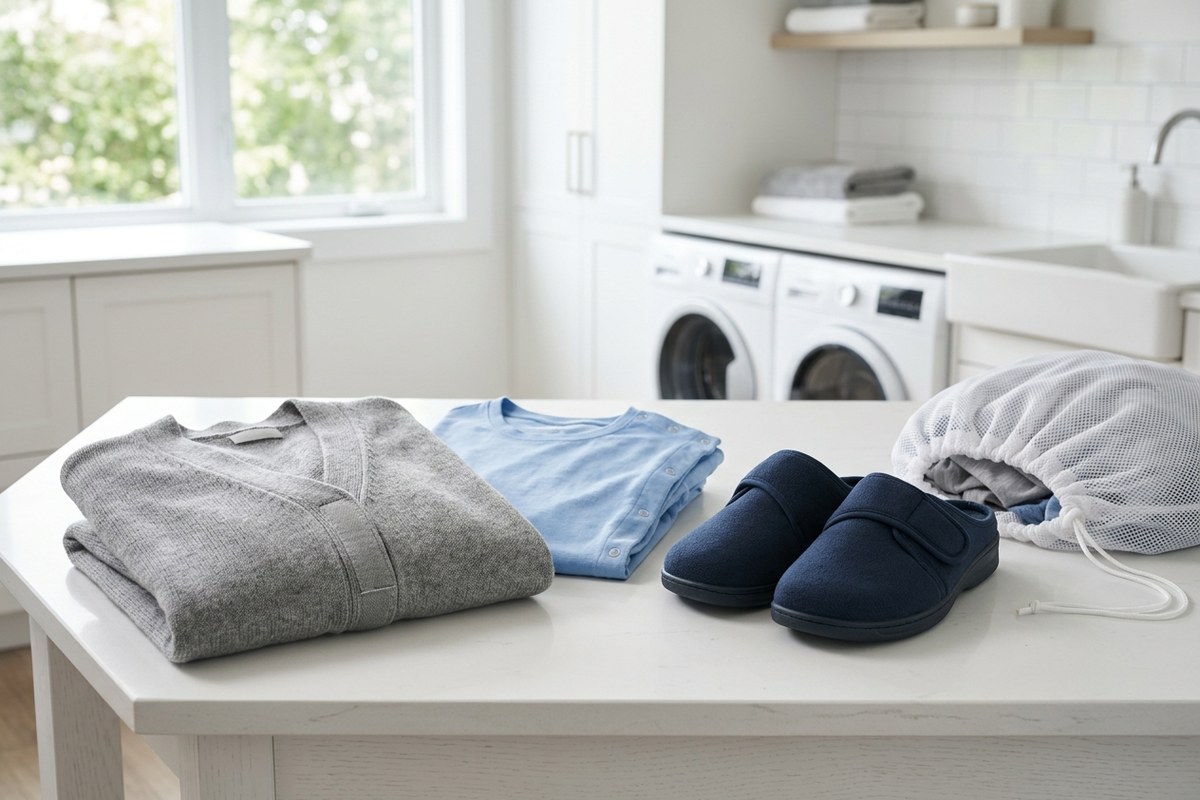
Soft seams, stretch panels, and non-restrictive fits help clothing stay comfortable during sitting, transfers, and longer wear. Many adaptive garments are also easy to launder, which matters for daily rotation. Comfort is not a luxury feature; it is what allows someone to stay dressed, engaged, and active from breakfast through evening.
More dignity and choice
Independence is emotional as well as physical. Being able to select and put on your own clothes supports self-esteem, privacy, and a sense of control. Adaptive apparel preserves personal style—colors, silhouettes, and layering—so clothing still feels like an expression of identity, not a concession to limitation.
How Adaptive Clothing Supports Daily Independence
Independence is built from small wins. Adaptive clothing supports those wins throughout the day:
- Morning dressing: Openings and closures that work from a seated position reduce the need for assistance.
- Bathroom and transfers: Pants with side zippers or easy pull-on waists can simplify clothing management.
- Outings and appointments: Easy-on footwear and outerwear make leaving the house less stressful.
- Evening routines: Soft, stretchy pieces are simpler to remove when energy is low.
For many families, the shift is noticeable within the first week: fewer struggles, fewer rushed moments, and more confidence for the person wearing the clothes. Caregivers often report less physical strain as well, because they no longer need to force arms through narrow sleeves or wrestle with tiny fasteners.
Easy Dressing Features That Make the Biggest Difference
Not every adaptive feature is right for every person. These are some of the highest-impact options:
- Magnetic closures: Ideal for limited hand strength or tremors. Explore tops like our magnetic-button polo.
- Side snaps and open-back tops: Helpful for shoulder limitations and seated dressing. See the side-snap adaptive t-shirt.
- Side-zip pants: Support hip, knee, or balance challenges. Browse adaptive pants & bottoms.
- Velcro outerwear: Makes layering easier without fighting small zippers. Try the Velcro-closure cardigan.
Start with the dressing step that causes the most friction. Solving one bottleneck—buttons, shoes, or pants—often unlocks a more independent routine without replacing an entire wardrobe at once.
Comfort Without Compromise
Comfort in adaptive clothing comes from more than soft fabric. Fit, seam placement, stretch recovery, and breathability all matter—especially for people who sit for long periods or have sensitive skin. Look for:
- Soft stretch knits that do not dig at the waist or cuffs
- Tagless or low-irritation labels
- Room through hips, thighs, and shoulders
- Machine-washable fabrics for practical daily care
When clothing feels good, people are more likely to stay active, keep appointments, and participate socially—another quiet form of independence. Durable construction also matters: adaptive features should survive repeated washing so the garment remains reliable month after month.
Who Adaptive Clothing Is For
Adaptive apparel can support a wide range of adults, including:
- Seniors experiencing arthritis, reduced balance, or limited flexibility
- Adults recovering from joint replacement, stroke, or injury
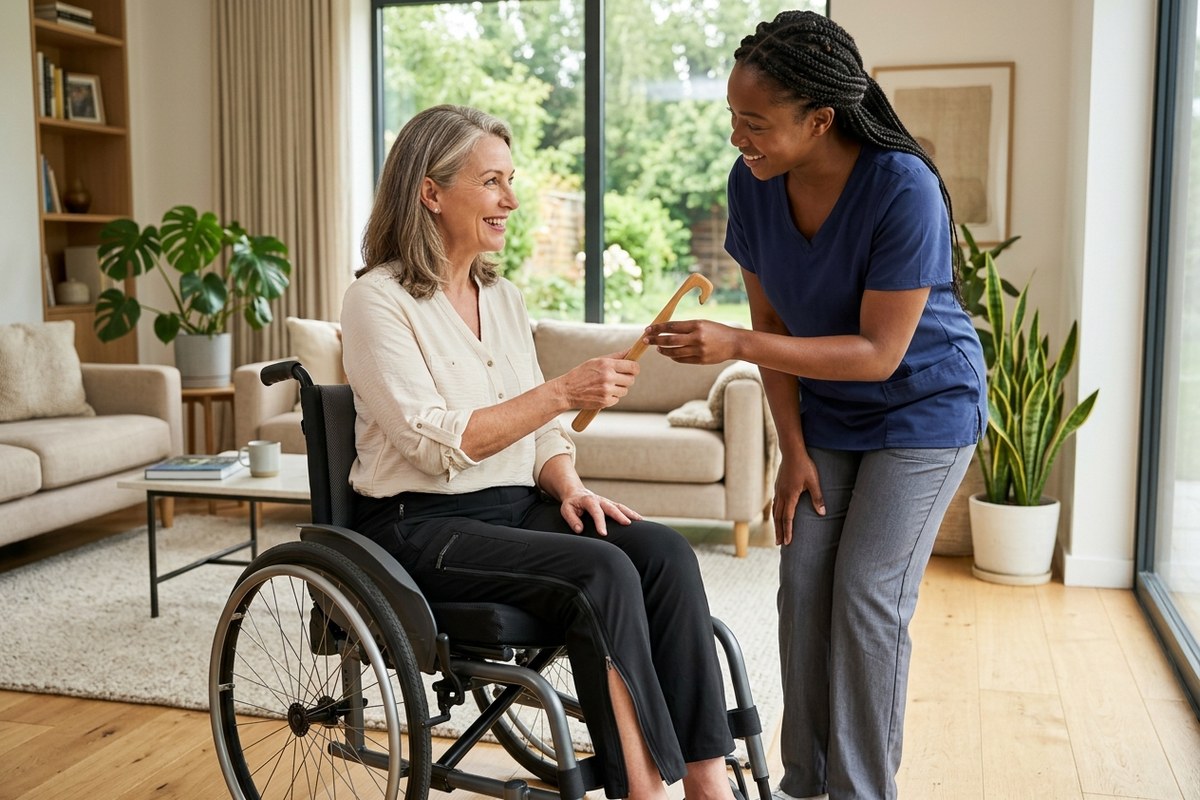
- Wheelchair users who need seated-friendly openings and smoother fabric under pressure points
- People with neuropathy, swelling, or hand-strength limitations
- Caregivers seeking safer, faster dressing routines for loved ones
Adaptive clothing is not only for advanced care needs. Many customers start with one or two easier pieces—shoes, a top, or side-zip pants—and expand as they discover what helps most. Temporary recovery and long-term mobility changes both benefit from the same design principles: less strain, clearer closures, and forgiving fit.
Getting Started With Adaptive Style
If you are new to adaptive apparel, begin with the part of dressing that causes the most friction. Shoulder pain? Start with open-back or magnetic tops. Difficulty with pants? Choose side-zip or pull-on styles. Hard-to-tie shoes? Move to wide-fit adaptive footwear with easy closures from our footwear collection.
Pair garments with simple tools when needed, such as a dressing stick or long-handle shoehorn, to extend reach safely. Keep a short list of preferred sizes and closure types so reordering staples stays simple for family members who help with shopping.
Independence Is a Design Choice
Adaptive clothing restores independence by removing avoidable barriers from everyday life. With the right closures, fabrics, and fits, dressing can feel less like a challenge and more like a routine again—private, comfortable, and self-directed.
Explore our full range of adaptive collections, or contact our team through the contact page if you need help choosing pieces for a specific mobility need. Independence is not one dramatic change. It is a series of well-designed details that let people keep doing more for themselves—one outfit at a time.