Mobility challenges are personal. Arthritis in the hands creates a different dressing barrier than limited hip flexion, post-stroke weakness, or full-time wheelchair use. That is why “adaptive clothing” is not a single product category—it is a set of design solutions you can match to specific needs.
This guide walks through a practical way to choose the right adaptive clothing for mobility challenges, from identifying the hardest dressing step to selecting fabrics, closures, and helpful dressing aids. The aim is a wardrobe that supports independence, comfort, and dignity—not a closet full of unused gadgets.
Start With the Dressing Barrier
Before shopping, name the exact friction points in the routine. Common barriers include:
- Difficulty raising arms or rotating shoulders
- Limited grip strength or finger dexterity
- Pain when bending at the waist or hips
- Balance concerns while standing to dress
- Seated dressing needs for wheelchair users
- Sensitivity to seams, waistbands, or restrictive fabrics
Write down the top one or two barriers. Choosing features against a clear problem prevents impulse purchases that look useful but do not solve the morning routine. If a caregiver helps, include their strain points too—safer transfers and fewer awkward lifts matter for everyone involved.
Adaptive Clothing for Arthritis
Arthritis often makes small fasteners and firm fabrics the enemy. The most helpful pieces reduce pinch strength and fine motor demand.
What to look for
- Magnetic closures or large snaps instead of buttons
- Pull-on pants with elastic or adjustable waists
- Wide-opening necklines and stretchy cuffs
- Soft knits that do not fight the joints during dressing
- Larger zipper pulls when zippers are still preferred
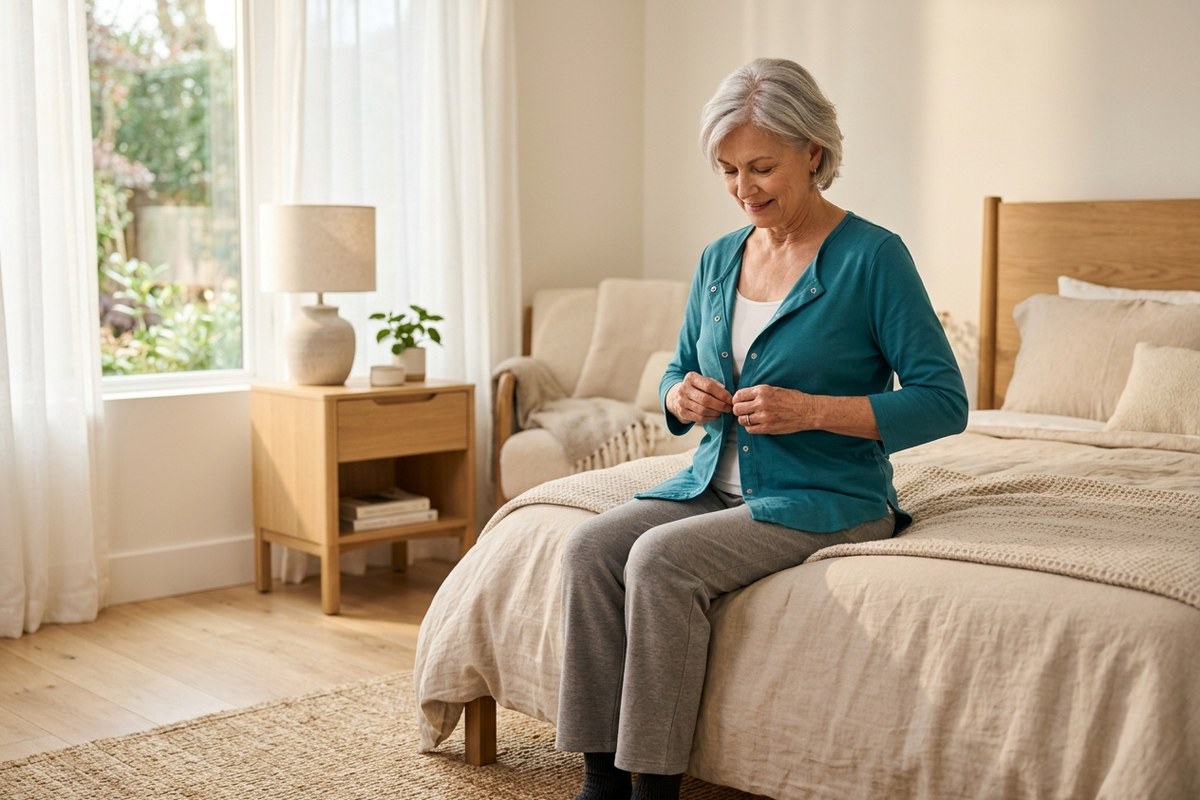
Tops with magnetic plackets can preserve a polished look while removing button battles. For lower body dressing, side-zip or pull-on styles reduce the need to fasten near painful hips or knees. Many people do well starting with one magnetic top and one easy pant, then expanding once the routine improves.
Adaptive Clothing for Wheelchair Users
Seated dressing and all-day sitting change both fit and fabric priorities. Clothing should be easy to manage from a chair and comfortable under prolonged pressure.
Priority features
- Open-back or side-open tops for easier on/off
- Pants with side zippers or generous side access
- Higher back rise and comfortable front rise for seated posture
- Smooth seams and softer fabrics at contact points
- Length that does not bunch excessively at the abdomen or calves
Avoid thick seams or decorative hardware where the body bears weight. Outer layers should open fully so they can drape on and off without requiring a full stand. If incontinence products or medical devices are part of daily life, confirm garments allow discreet, quick access without complete undressing.
Clothing for Limited Mobility and Recovery
After joint replacement, fracture, stroke, or injury, range of motion may be temporarily or permanently reduced. Adaptive clothing can protect healing tissue and reduce caregiver strain during recovery.
- Shoulder surgery: open-back or side-snap tops avoid overhead dressing
- Hip or knee recovery: side-zip pants and wide legs simplify dressing in bed or chair
- Balance changes: fewer standing steps and easier footwear reduce fall risk
- One-handed dressing needs: magnetic closures and stretch fabrics help compensate
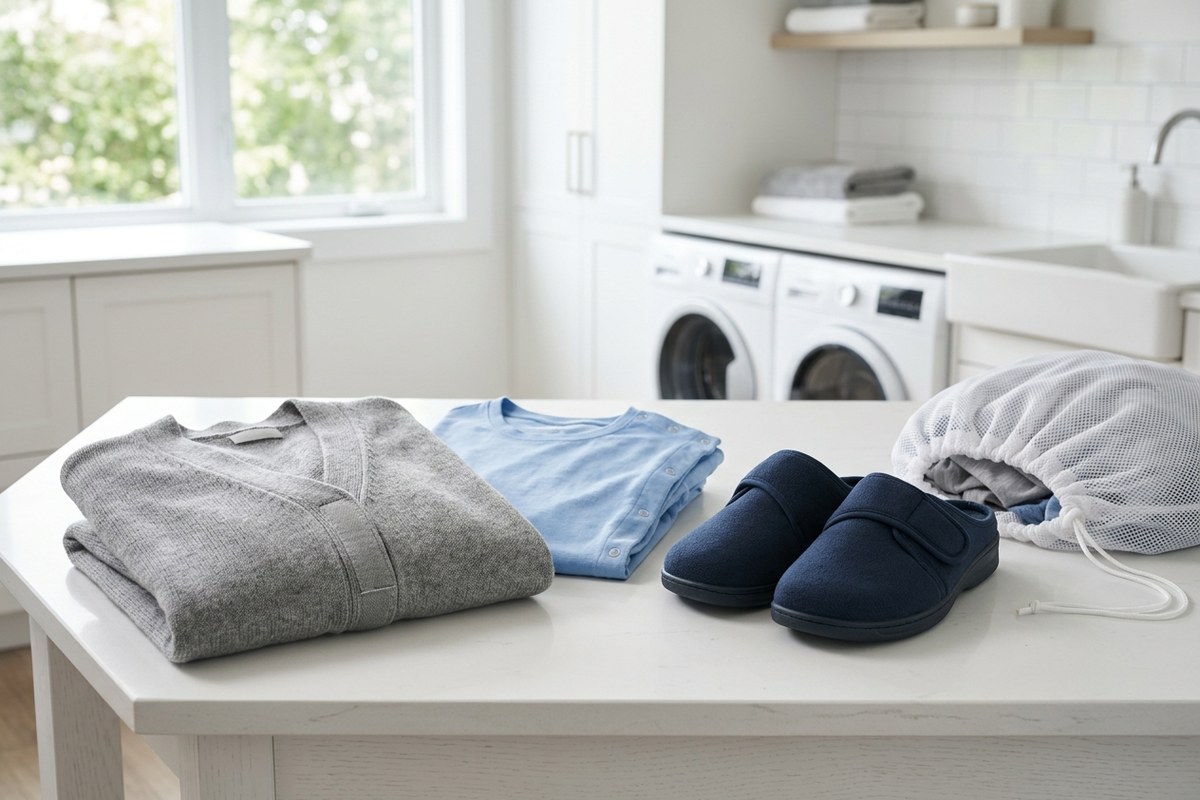
Recovery wardrobes should emphasize machine-washable staples and adjustable fits. Swelling and bracing needs can change week to week; forgiving garments keep pace without constant replacement.
Fabric Selection That Supports Mobility
Fabric choice affects both dressing and all-day comfort. Favor:
- Stretch knits with good recovery so waistbands and cuffs keep their shape
- Breathable cotton blends for sensitive skin and warmer climates
- Smooth interiors that reduce friction during seated wear
- Durable fibers that tolerate frequent laundering
Very stiff fabrics can look structured but fight the body during dressing. Extremely thin fabrics may cling or tear at adaptive openings. A balanced mid-weight knit is often the sweet spot for everyday adaptive tops and pants. For outerwear, prioritize closures you can manage before you prioritize fashion hardware.
Dressing Aids That Multiply Clothing Benefits
The right tool can make a good garment great. Consider pairing clothing with:
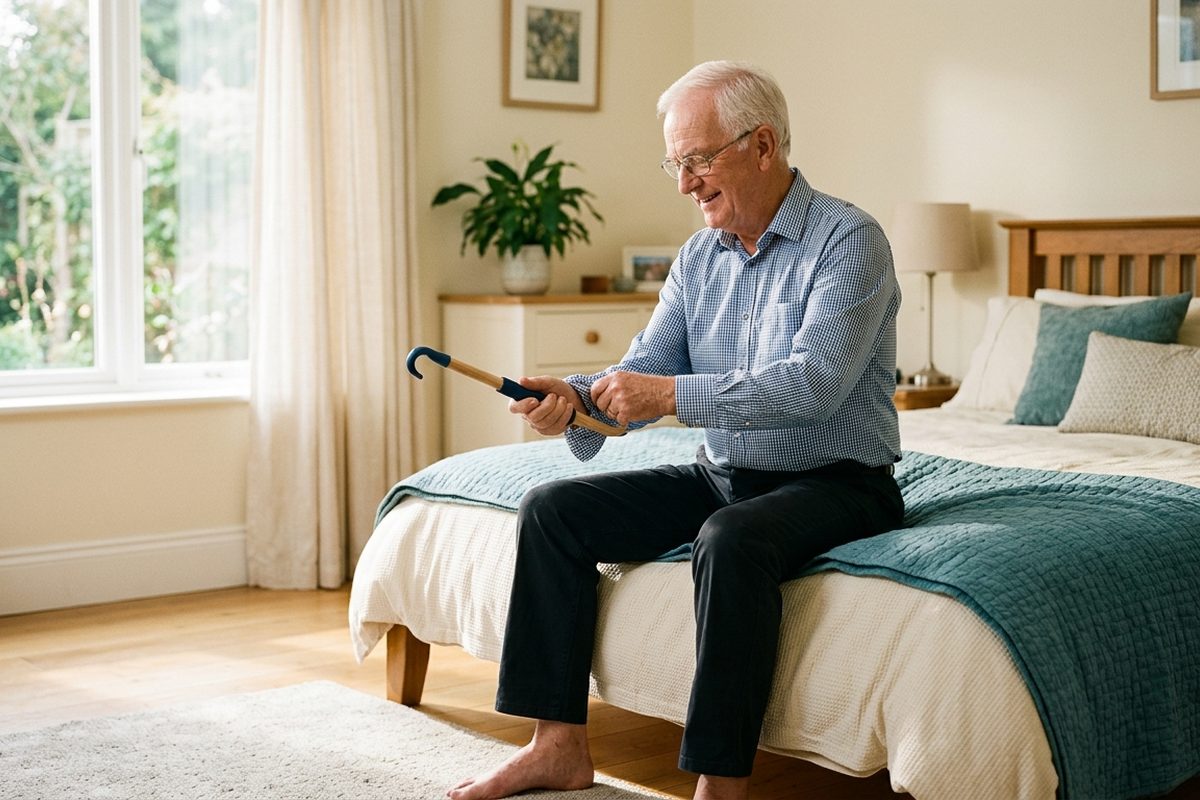
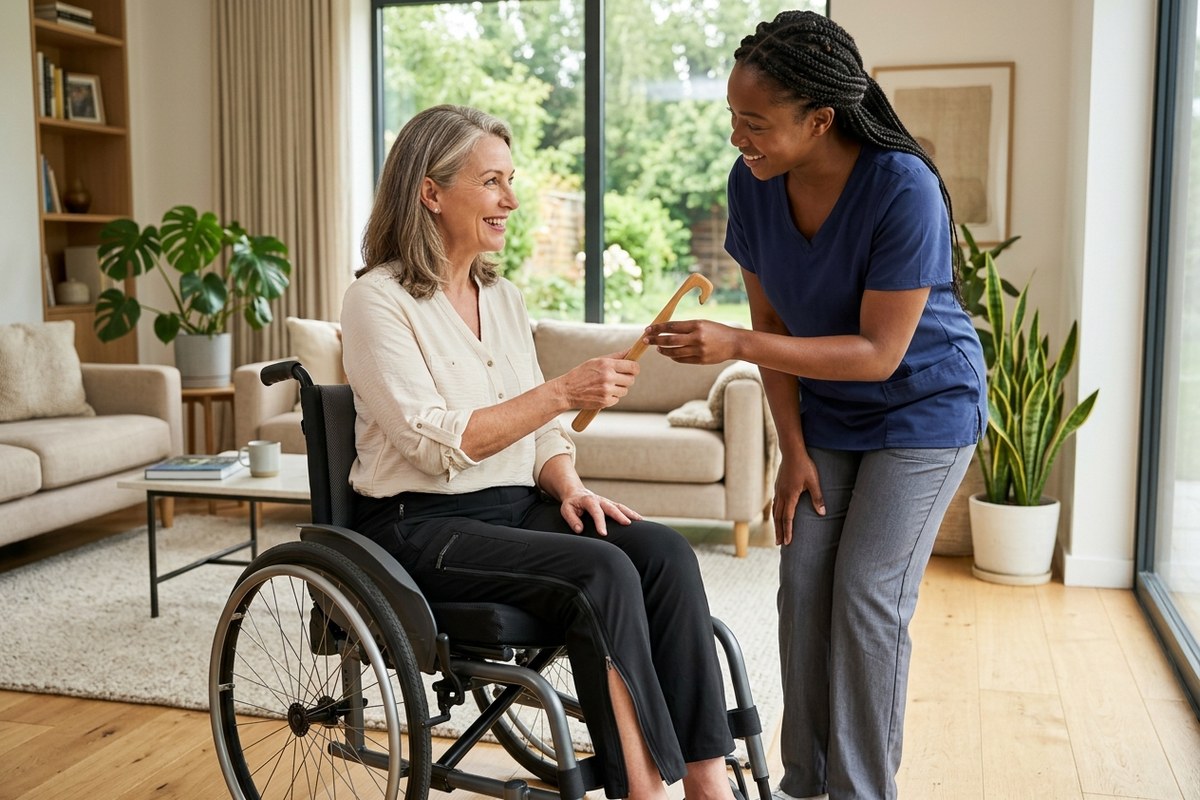
- A dressing stick to pull waistbands or rearrange fabric without deep bending
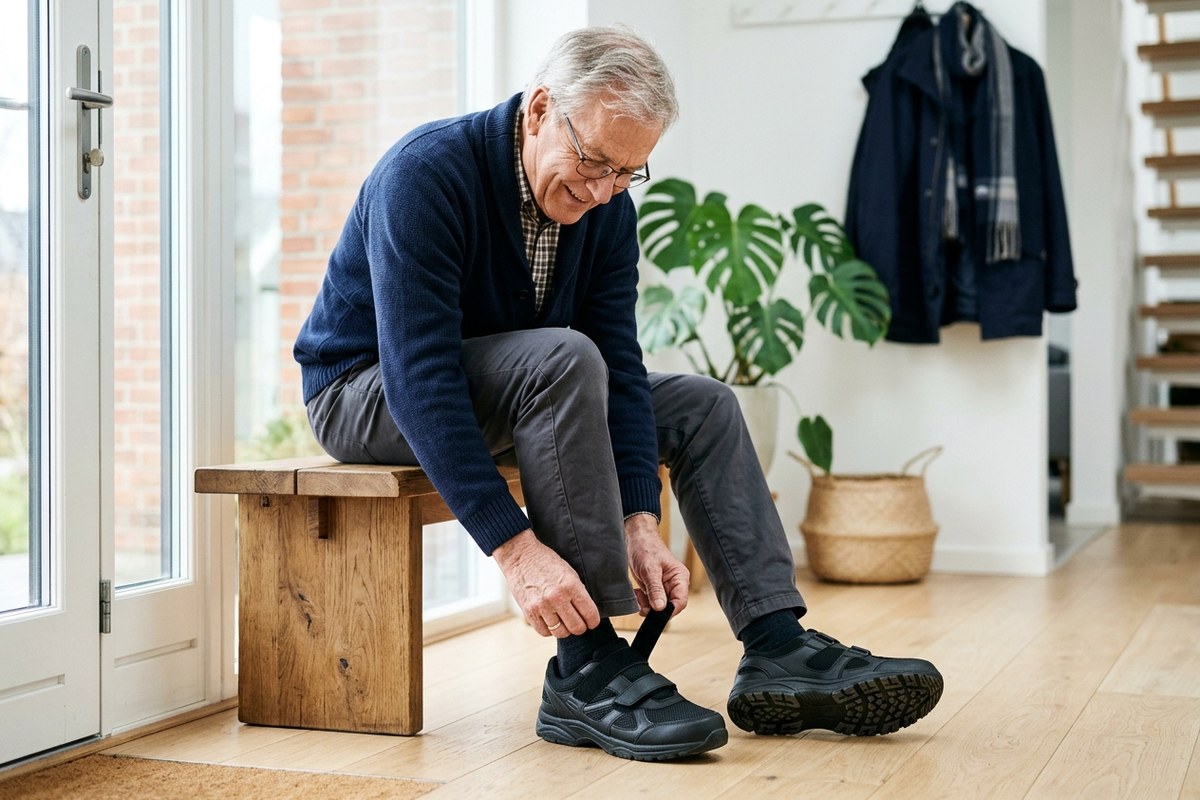
- A long-handle shoehorn for safer footwear routines
- Button hooks or zipper pulls when favorite non-adaptive pieces are still in rotation
Tools should reduce strain, not add complicated steps. If a tool is hard to grip, it will not be used. Store aids where dressing actually happens—bedroom chair, closet hook, or bathroom grab-bar area—so the safer method becomes the default method.
A Simple Fit-and-Function Checklist
Use this checklist when evaluating any adaptive piece:
- Can it be put on from a seated position if needed?
- Do closures match the wearer’s hand strength and vision?
- Is there room for swelling, orthotics, or layers?
- Are seams and waistbands comfortable after 30+ minutes of wear?
- Can the garment be washed on a practical home cycle?
- Does the style still feel like “them,” not like a uniform?
If a garment fails the emotional test—if someone is embarrassed to wear it—it will stay in the drawer. Function and personal style should travel together. Browse adaptive tops, bottoms, and dressing aids to mix features without giving up everyday aesthetics.
Build by Priority, Not Perfection
You do not need a full adaptive wardrobe on day one. Solve the hardest barrier first, then expand. Many families see the biggest gains from three starter categories:
- One easy-closure top
- One easy-on pant
- One pair of secure, easy-entry shoes
From there, add outerwear, additional colors, and specialized seated-wear pieces as patterns become clear. Keep notes on what worked—closure type, size, fabric—so future orders are faster and less guesswork.
Choosing the right adaptive clothing for mobility challenges is ultimately about fit between body, routine, and design. When those three align, dressing takes less energy, caregiving becomes safer, and independence has more room to grow. If you want personalized recommendations, our team is available through the contact page.