Cold weather adds a new layer of difficulty to dressing—literally. Bulky coats, stiff zippers, tight cuffs, and heavy fabrics can make the simple act of putting on a jacket feel like an obstacle course. For adults and seniors with arthritis, limited shoulder mobility, or wheelchair use, traditional winter outerwear often creates more problems than it solves: bunching behind the back, restricting arm movement, and requiring fine motor skills that cold, stiff hands cannot deliver.
Adaptive outerwear is designed to solve these problems without sacrificing warmth, weather protection, or style. At Inn Adaptive Apparel, our outerwear collection pairs functional closures, seated-friendly designs, and weather-resistant fabrics so you can stay warm and get outside without the struggle. This guide walks through the key features of adaptive outerwear, compares the options available, and helps you choose the right pieces for your climate and mobility needs.
Table of Contents
- Why Traditional Winter Coats Fall Short
- Key Features of Adaptive Outerwear
- Adaptive Winter Coats and Parkas
- Everyday Adaptive Jackets
- Fleece Adaptive Capes
- Wheelchair Rain Ponchos
- Buying Guide: Choosing Adaptive Outerwear
- Layering Tips for Cold Weather
- Frequently Asked Questions
- Conclusion
Why Traditional Winter Coats Fall Short
Standard winter coats are designed for people with full shoulder mobility, strong grip, and the ability to stand and twist while putting on a garment. For someone with arthritis, a wheelchair, or post-surgery limitations, traditional coats present several specific problems:
- Small zipper pulls are nearly impossible to grasp with cold, stiff, or trembling fingers
- Tight armholes require raising arms overhead and twisting to thread sleeves
- Stiff, heavy fabrics do not drape comfortably when seated and can bunch painfully behind the back
- Rear closures or back zippers are unreachable for anyone with limited shoulder rotation
- Long hems can catch on wheelchair wheels or drag on the ground
Adaptive outerwear addresses each of these issues with thoughtful design changes that preserve the warmth and weather protection you need while eliminating the barriers you do not.
Key Features of Adaptive Outerwear
When shopping for adaptive outerwear, look for these design features that make dressing easier and wearing more comfortable:
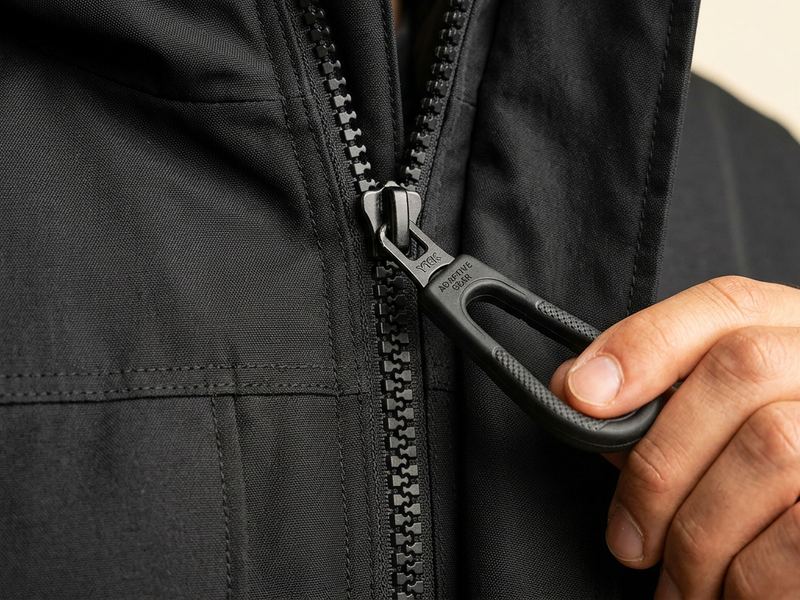
- Large ergonomic zipper pulls: Oversized pulls that can be gripped with minimal hand strength or hooked with a finger. Some can also be operated with a zipper pull aid.
- Front-opening designs: Closures that run down the front rather than the back, so everything is visible and reachable from a seated position.
- Velcro closures: An alternative to zippers for people with severe hand limitations—simply press to close.
- Wider armholes and relaxed shoulders: Easier to thread arms through without raising them overhead.
- Soft, flexible fabrics: Stretch or drape comfortably without bunching, whether standing or seated.
- Water-resistant shells: Shed rain and snow without adding stiffness or weight.
- Adjustable fits: Cuffs, hems, and waistbands that accommodate braces, swelling, or layering.
Adaptive Winter Coats and Parkas
For maximum cold-weather protection, a full-length winter coat or parka is essential. Our water-resistant winter coat in parka style is designed for adults and seniors who need serious warmth without the dressing struggle. Key features include:
- Water-resistant polyester shell that sheds rain, sleet, and snow
- Insulated lining that retains body heat in temperatures well below freezing
- Front zipper with an easy-grip pull that works with reduced hand strength
- Relaxed fit through the shoulders and chest for easier arm entry
- Available in sizes S through XXL in classic black
This coat works well for both standing and seated wear. The parka length provides thigh-level coverage that keeps the lower body warm in cold vehicles or outdoor seating. Pair it with adaptive bottoms like our stretch knit joggers for a complete cold-weather outfit that goes on easily and stays comfortable all day.
Everyday Adaptive Jackets
For milder weather or indoor-to-outdoor transitions, a lighter adaptive jacket is more practical than a full parka. Our polyester adaptive jacket in navy offers a modern fit with features that make it easy to put on:
- Front zipper with large pull tab for easy operation
- Soft polyester fabric that moves with the body without stiffness
- Modern fit that looks polished but allows room for layering
- Lightweight enough for spring and fall, warm enough for mild winter days
This jacket is an excellent everyday option for appointments, errands, and social outings. It pairs well with adaptive tops like our magnetic-button polo for a coordinated look that requires minimal fine motor skills to assemble.
Fleece Adaptive Capes
A fleece cape is one of the most versatile adaptive outerwear pieces available. Unlike a jacket or coat, a cape has no sleeves to thread arms through—it simply drapes over the shoulders and fastens at the front. This makes it ideal for people with severe shoulder limitations, one-handed dressing needs, or wheelchair users who find sleeves restrictive.
Our fleece adaptive cape in charcoal features:
- Front-opening design that goes on without raising arms
- Soft, warm fleece that provides excellent insulation without bulk
- One-size-fits-all design with adjustable front closure
- Drapes comfortably over the shoulders and lap, making it ideal for seated wear
Capes are particularly popular in care settings because they can be put on quickly by a caregiver without requiring the wearer to stand, twist, or raise their arms. They are also excellent for indoor warmth in drafty rooms or during transportation in cold vehicles.
Wheelchair Rain Ponchos
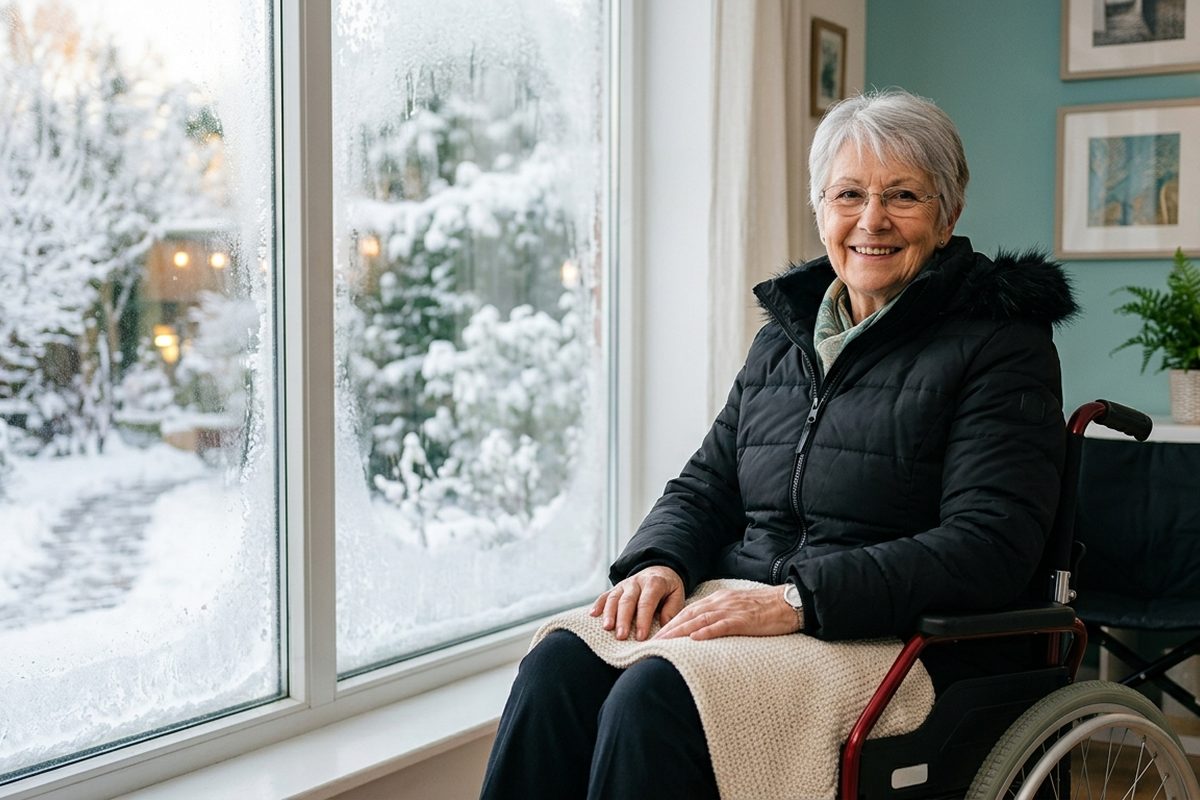
For wheelchair users, rain and snow present a unique challenge: standard raincoats do not cover the lap and legs adequately, and umbrellas are impractical when both hands are needed to operate the chair. A wheelchair rain poncho solves this by providing full-body coverage that drapes over the seated body and chair.
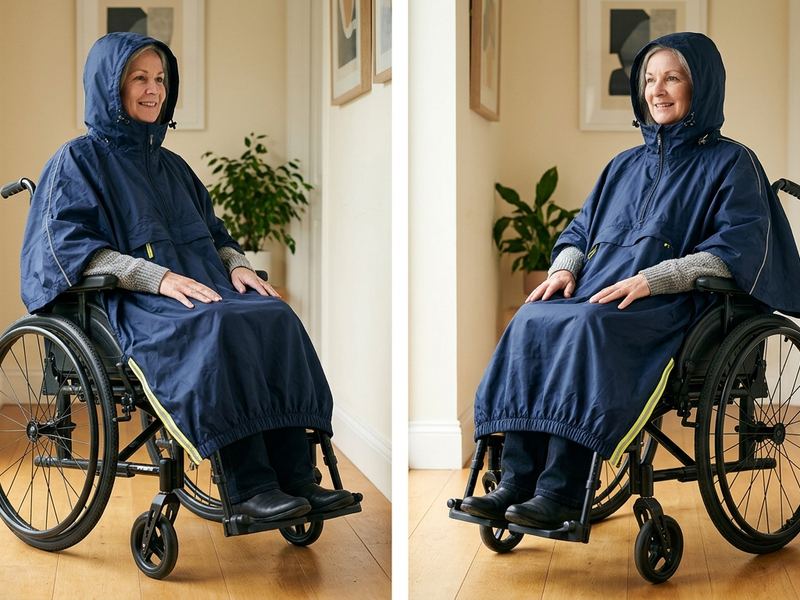
Our wheelchair rain poncho in navy blue is designed specifically for seated use:
- Water-resistant polyester that sheds rain and snow
- Adjustable fit that accommodates different chair sizes and body types
- Full coverage from shoulders to knees, protecting the lap and legs
- Easy to put on and remove from a seated position
- Compact enough to store on the back of a wheelchair when not in use
This poncho is an essential piece of adaptive outerwear for anyone who uses a wheelchair year-round. It transforms wet-weather outings from a stressful experience into a manageable one.
Buying Guide: Choosing Adaptive Outerwear
Consider Your Climate
Your local climate should drive your outerwear choices. If you live in a region with harsh winters and frequent snow, a water-resistant parka is your primary piece. For milder climates with occasional rain, an adaptive jacket and a wheelchair poncho may be sufficient. In cold but dry climates, a fleece cape provides excellent warmth with the easiest on-and-off of any outerwear option.
Consider Your Mobility Level
- Full shoulder mobility, reduced hand strength: Any adaptive jacket or coat with large zipper pulls will work well.
- Limited shoulder mobility: Front-opening designs and fleece capes are the easiest to put on independently.
- Wheelchair use: Prioritize the wheelchair rain poncho for wet weather and fleece capes for cold weather. Full coats can bunch uncomfortably when seated.
- Caregiver-assisted dressing: Capes and front-opening designs are the fastest for a caregiver to put on a seated or lying-down wearer.
Consider Your Layering Needs
Adaptive outerwear should fit comfortably over your regular adaptive clothing. If you wear thick adaptive sweaters or layer multiple pieces, size up or choose outerwear with a relaxed fit. Our outerwear is available in sizes S through XXL to accommodate different body types and layering preferences.
Layering Tips for Cold Weather
Effective cold-weather dressing is about layers, not just one heavy coat. Here is a practical layering system using adaptive clothing:
- Base layer: A soft adaptive top like our cotton blend sweatshirt or relaxed-fit t-shirt for comfort against the skin.
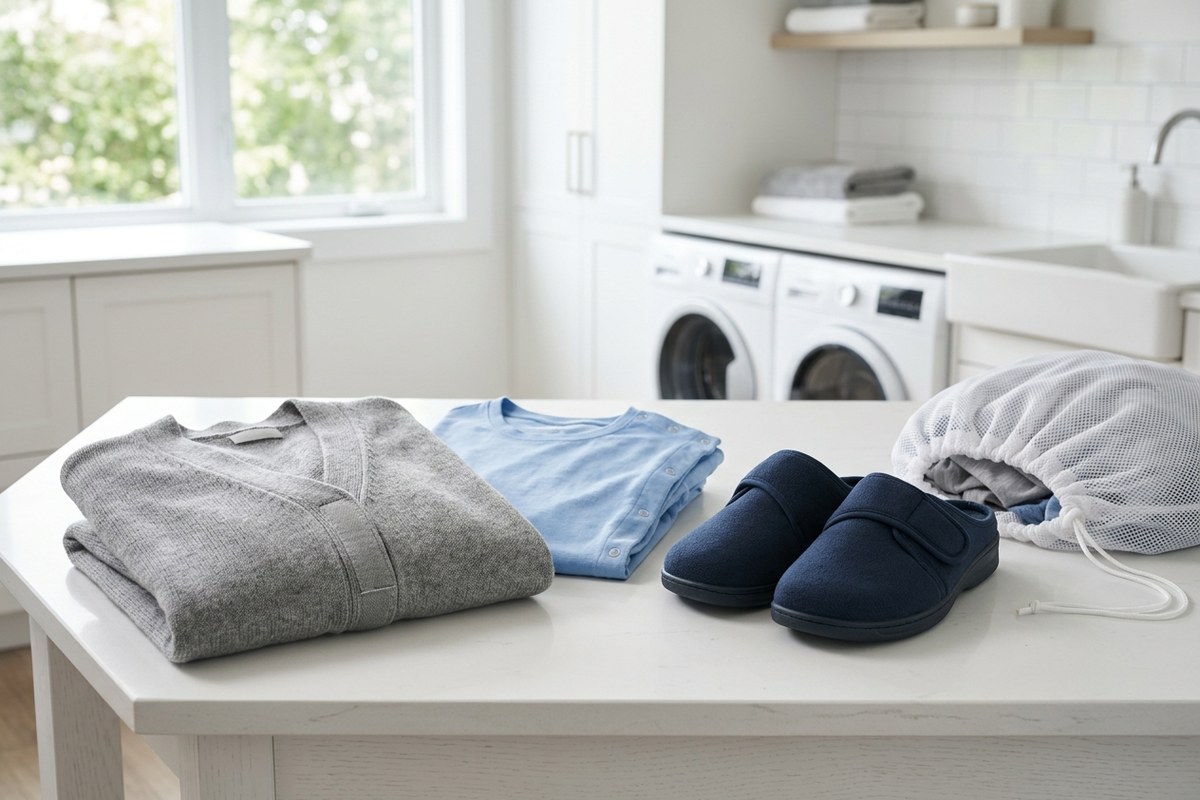
- Mid layer: A Velcro-closure cardigan for easy-on warmth that can be removed independently if you get too warm indoors.
- Outer layer: A water-resistant parka or fleece cape for weather protection and maximum insulation.
- Lower body: Side-zip adaptive pants over a base layer for easy dressing and full leg coverage.
The advantage of this system is that each layer can be put on or removed independently, so you can adjust your warmth level throughout the day without needing assistance. Velcro and magnetic closures make mid-layer adjustments especially easy.
Explore our complete adaptive outerwear and layering collection to find the right pieces for your winter wardrobe. Every item is designed to work together, so you can build a cold-weather system that goes on easily, stays warm, and looks polished.
Frequently Asked Questions
What makes outerwear adaptive?
Adaptive outerwear replaces small zippers, tight cuffs, and stiff fabrics with features like large ergonomic zipper pulls, Velcro closures, front-opening designs, wider armholes, and soft stretch fabrics. These modifications make it easier to put on and take off for people with limited mobility, arthritis, or wheelchair use.
Can wheelchair users wear regular winter coats?
Regular winter coats can bunch uncomfortably when seated, restrict access to wheelchair controls, and be difficult to put on from a seated position. Adaptive outerwear like wheelchair ponchos and front-opening capes are designed specifically for seated wear, with features that accommodate the seated posture and provide full coverage without bunching.
How do I choose between a winter coat and a fleece cape?
Choose a winter coat for outdoor activities in cold, wet, or windy conditions where you need full insulation and weather protection. Choose a fleece cape for indoor-to-outdoor transitions, layering over other garments, or situations where easy on-and-off is the priority. Capes are also ideal for wheelchair users who find traditional coat sleeves restrictive.
Are adaptive winter coats water-resistant?
Many adaptive winter coats are water-resistant or waterproof. Look for polyester or nylon outer shells with water-resistant coatings. Our adaptive winter coat features a parka-style design with water-resistant fabric that sheds light rain and snow while retaining body heat.
How should adaptive outerwear fit?
Adaptive outerwear should fit comfortably over your regular clothing without restricting movement. Look for relaxed fits through the shoulders and chest, wider armholes for easier arm entry, and lengths that provide coverage without interfering with wheelchair wheels or walking. If you wear braces or bulky layers underneath, size up accordingly.
Conclusion
Cold weather does not have to mean the end of comfortable, independent dressing. Adaptive outerwear brings the same thoughtful design principles—easy closures, seated-friendly fits, soft fabrics—to winter coats, jackets, capes, and ponchos that make staying warm practical rather than painful. Whether you need a water-resistant parka for snowy outings, a fleece cape for easy indoor-outdoor transitions, or a wheelchair poncho for wet-weather independence, the right piece transforms winter dressing from a struggle into a routine.
Build your cold-weather wardrobe from our adaptive outerwear collection, and pair it with adaptive tops and adaptive bottoms for a complete layering system. If you need help choosing the right outerwear for your specific mobility needs, contact our team through the contact page. Stay warm, stay independent, and stay comfortable—one layer at a time.